For a long time, the travel industry has talked about ecotourism in terms of minimizing harm, reducing footprints, and conserving what is already there. While these goals are vital, the true potential of responsible travel lies in something much deeper. The most meaningful hospitality experiences are shifting from mere sustainability to regeneration.
When travel is designed with care, it becomes a beautiful partnership. It serves as a natural catalyst for economic vitality and cultural pride, ensuring that local communities thrive long after our guests return home.
How ecotourism creates local economic resilience
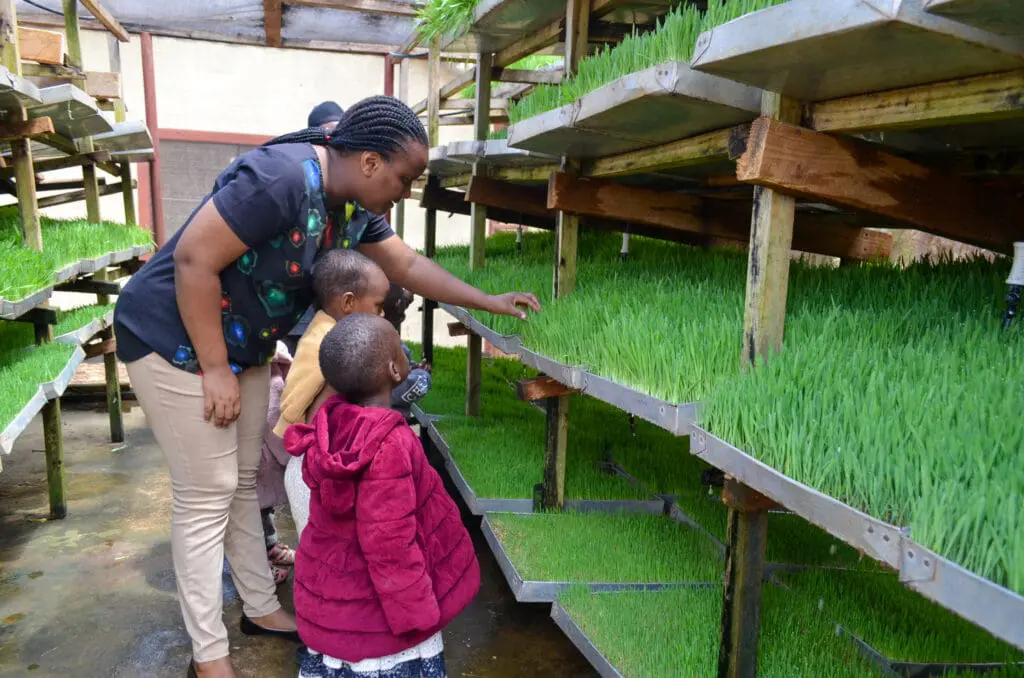
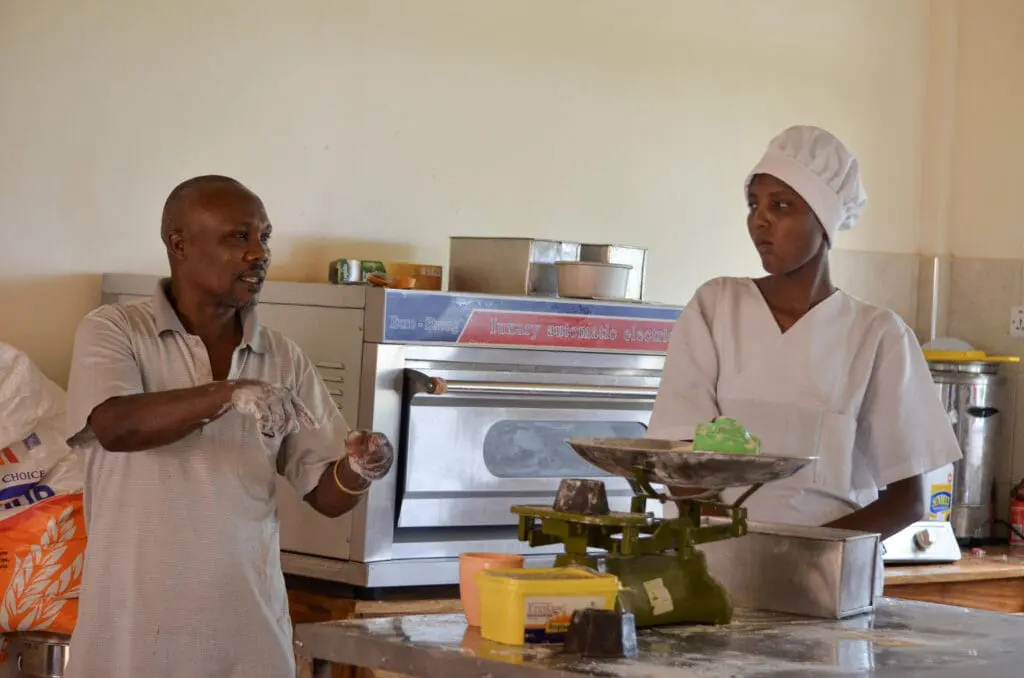
True ecotourism is woven into the very fabric of the local community. Rather than relying on external management or imported goods, a thoughtful hospitality model focuses on creating opportunities right where it lives, nurturing a vibrant ecosystem of local talent and entrepreneurship.
When an eco-lodge prioritizes local employment for hospitality and guiding, it invests in the future of the community. This approach provides meaningful professional growth and steady livelihoods, which is especially vital in regions experiencing economic shifts. By choosing to reinvest profits back into essential community initiatives, such as the educational and infrastructure programs at the Maasai Girls Rescue Center, travel transforms into a powerful vehicle for long-term community development.


Honoring living heritage over tourism attractions
Cultural immersion requires a shift in perspective. It means moving away from viewing local traditions as static performances and instead treating them as living, evolving heritage. The challenge with standard tourism is that it can sometimes package culture for quick consumption, losing the depth of the story.
To foster a deeper connection, the focus must be on community agency. Dedicated spaces like the Maasai Culture Center, situated adjunct to the Maasai ecoLodge, allow for respectful, authentic engagement. Here, guests are invited to be active participants rather than distant observers, learning directly from community members through interactive workshops and shared conversations. This approach naturally safeguards precious traditions. It highlights their profound value to younger generations, ensuring that as a community shares its heritage with the world, its internal bonds grow even stronger.

Harmony in sustainable design
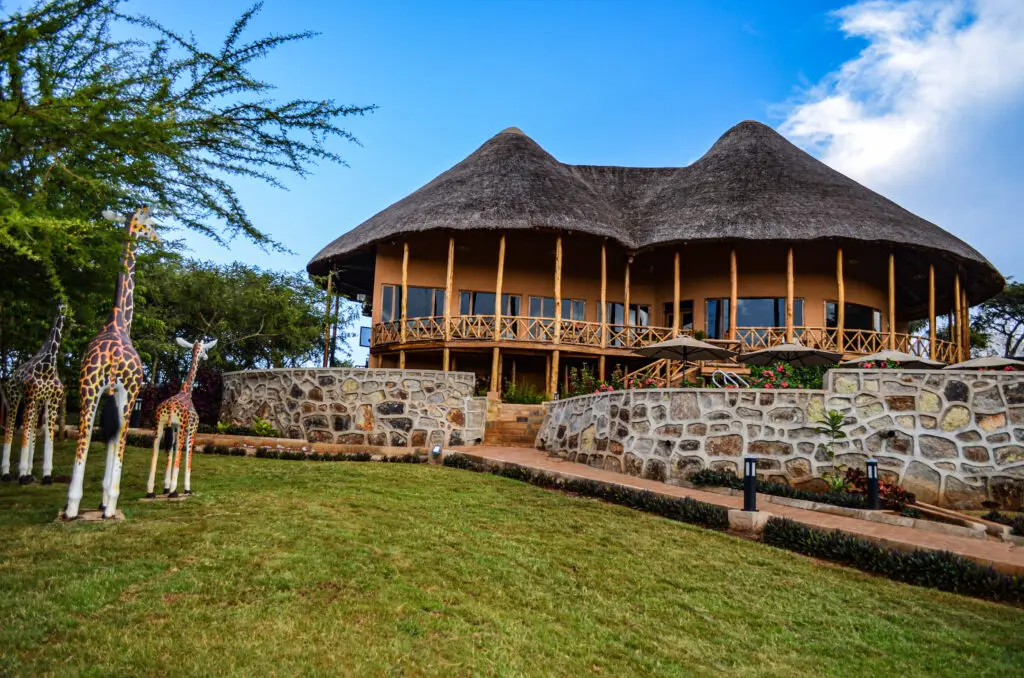
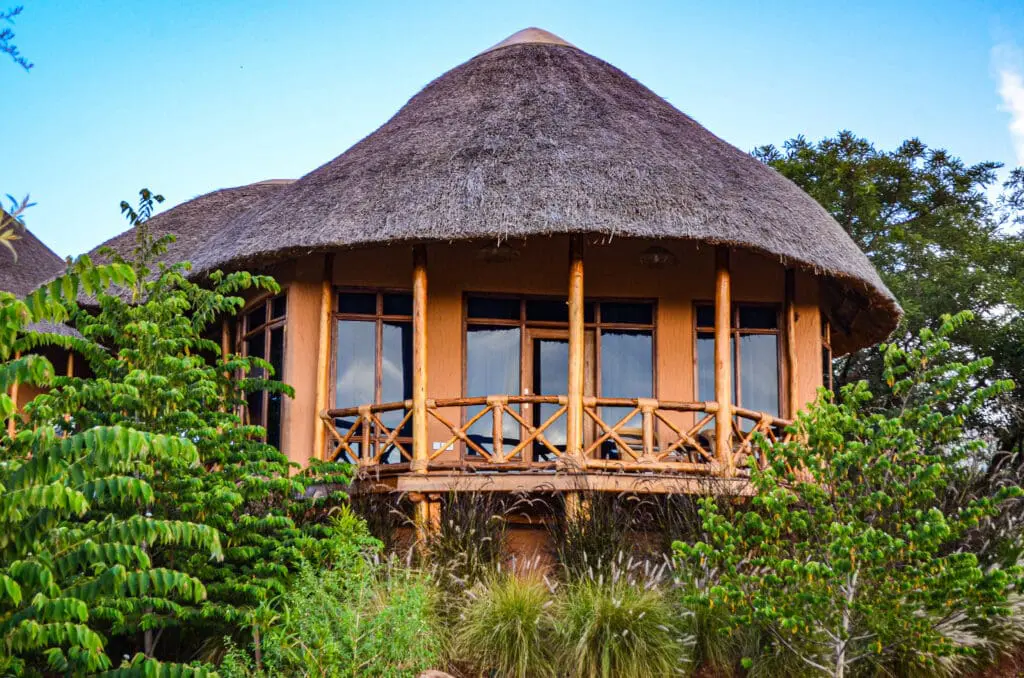
The future of hospitality rests in architecture and infrastructure that function as a gentle extension of the natural landscape. Environmental stewardship is no longer a luxury add-on. It is a fundamental commitment to the land and its people.
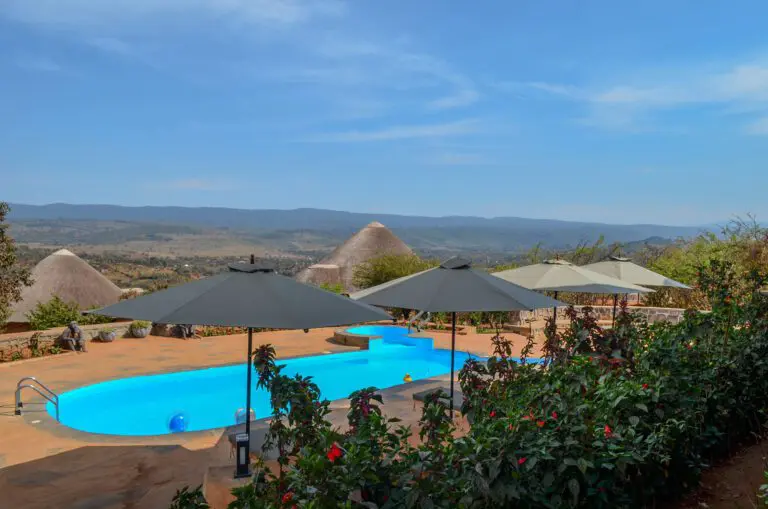
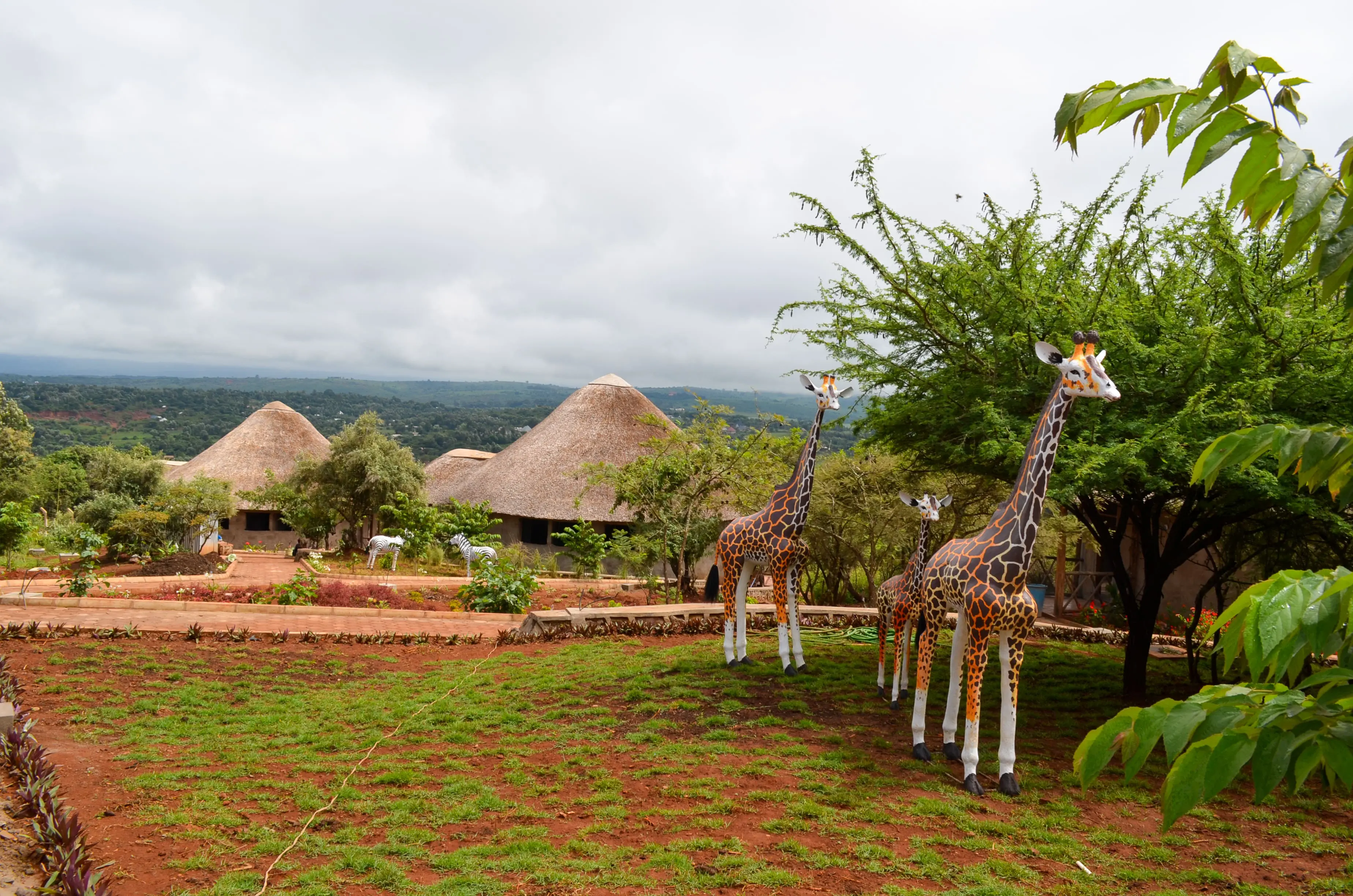
Taking care of our surroundings requires a thoughtful, holistic approach to resource management. Utilizing renewable materials, implementing innovative water conservation, and establishing mindful waste management systems are all essential steps in protecting the delicate local ecosystem. The Maasai ecoLodge stands as a living example of this philosophy, demonstrating that comfort and environmental responsibility go hand in hand. By integrating these practices into daily operations, we can show that high-performance hospitality can coexist beautifully with nature.

A new standard for responsible travel
As we look to the future, the success of the travel industry will no longer be measured simply by the number of arrivals. Instead, it will be measured by the positive, lasting impact left behind on the community’s resilience.
The gold standard of travel lies in the seamless integration of tourism, cultural preservation, and genuine social impact. By supporting community-led initiatives and fostering heartfelt partnerships, travel evolves from a temporary visit into a permanent force for good. For travelers seeking a meaningful journey, choosing this path is an inspiring commitment to a future where both people and the planet flourish together.